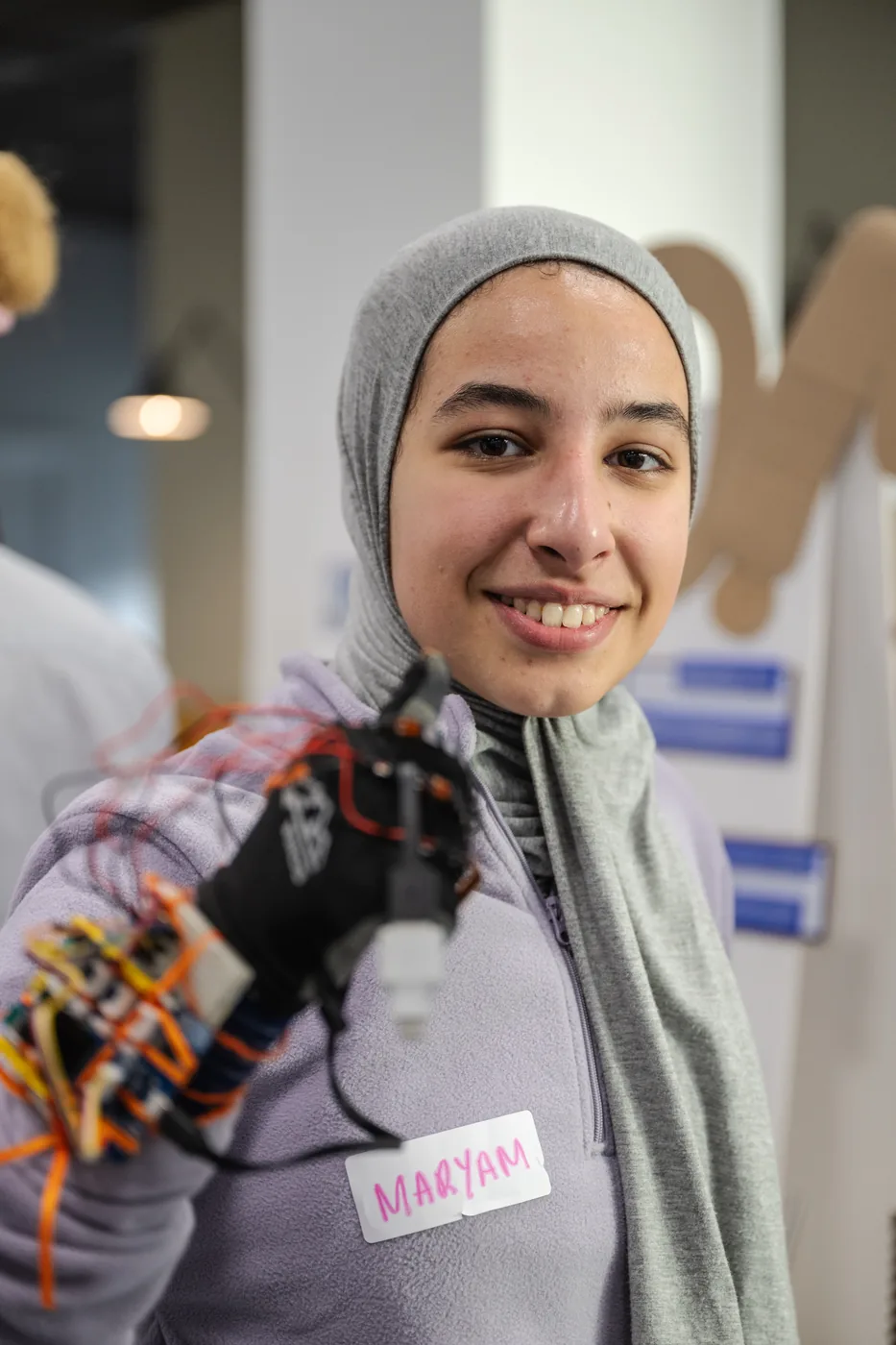

The Berkeley Foundation's £1.65m paid for nine years of the Maker Challenge in White City. More than 2,600 young people took part. The money stops this year.
A nine-year run of charity money that has paid for thousands of White City teenagers to use Imperial College London’s workshops has come to an end.
The Berkeley Foundation put £1.65 million into Imperial’s Maker Challenge programmes over nine years. The two organisations say more than 2,600 young Londoners have been through them. They marked the final year at an event at the Makerspace on 17 September, and the foundation’s funding concludes this year.
The programme itself carries on. What the money leaves behind is a staff post: the grant helped establish a dedicated Placements and Careers Coordinator, which the two organisations say will keep future participants in reach of apprenticeships, work placements and career opportunities.
This is a genuinely local scheme, not a London-wide one with a White City postcode. Every participating school sits within five miles of the Makerspace, and the release says many of the young people come from the White City Estate and the streets around it. The workshops are in the Dangoor Reach Out Makerspace, inside The Invention Rooms at Door B, 68 Wood Lane, W12 7TA.
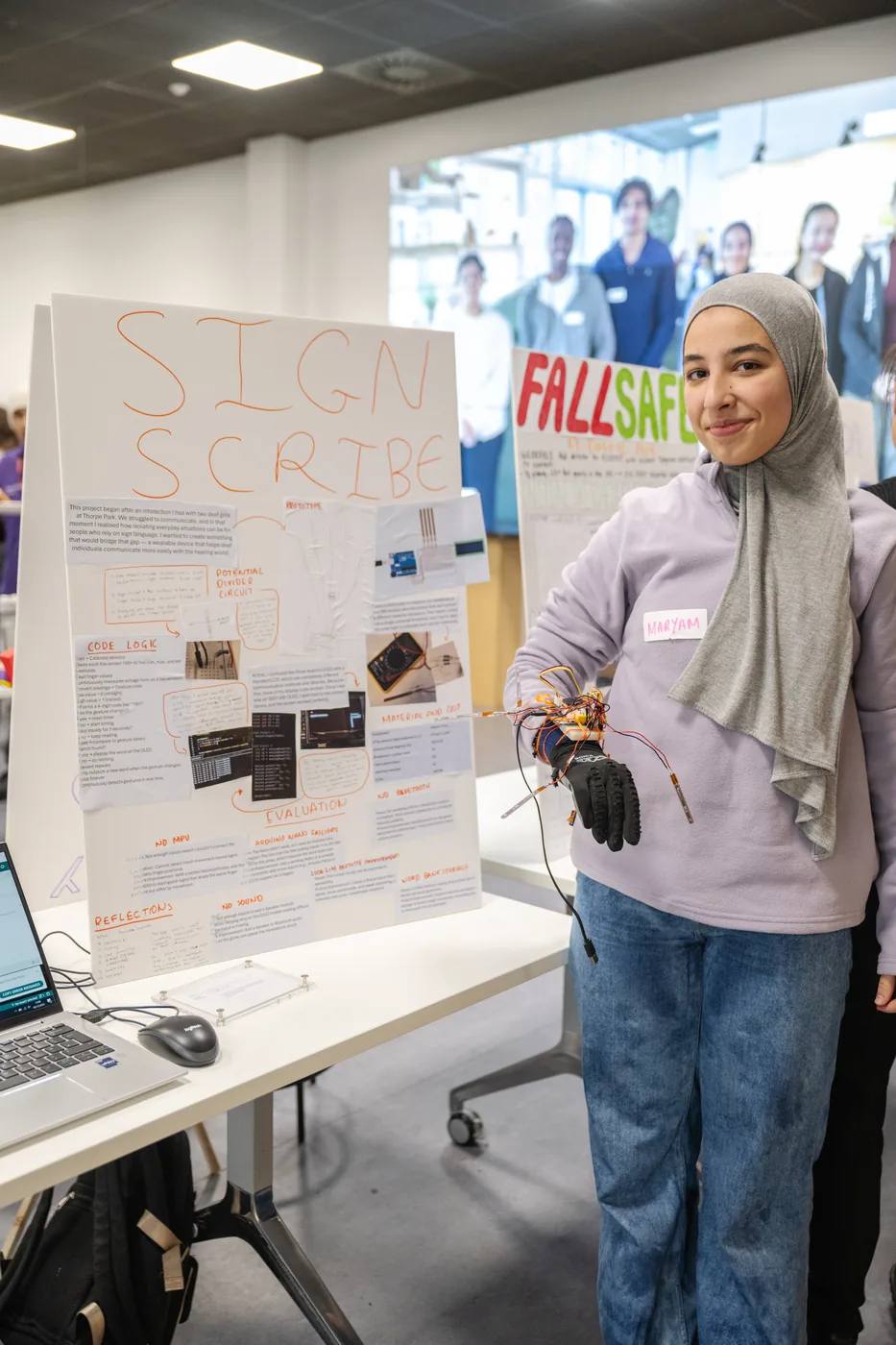
The glove that turns sign language into speech
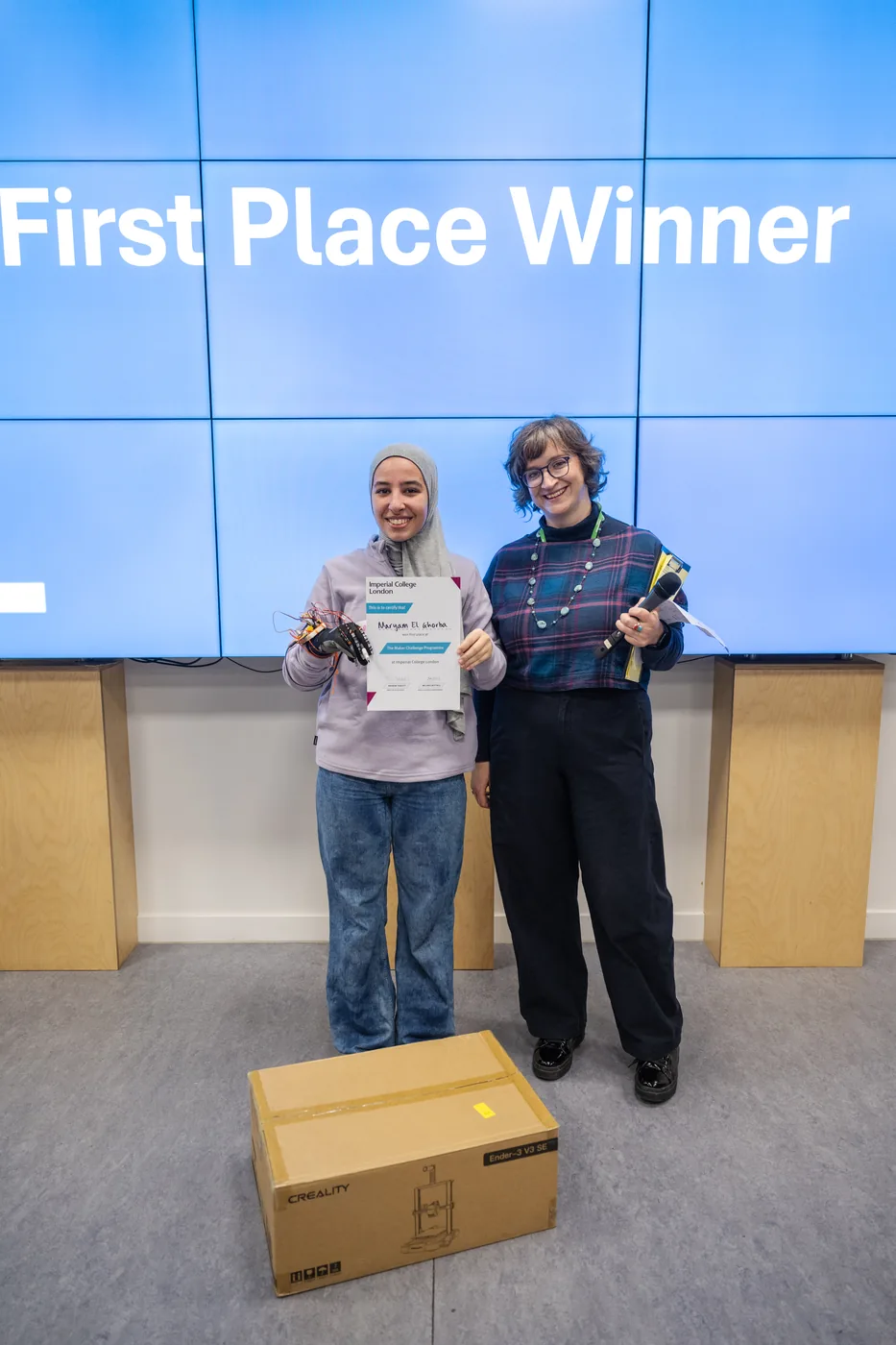
The foundation put one participant’s work forward as the example, and named her: Maryam, who built a wearable glove she calls the Sign Scribe. The release says it translates British Sign Language into text and speech in real time, and that she designed it to improve communication for people with hearing impairments.
She is pictured here with it. The photographs supplied to us were taken at the Maker Challenge final on 6 December 2025, the showcase for the programme’s 42nd and 43rd cohorts, where families, teachers and neighbours came to see what the young people had made.
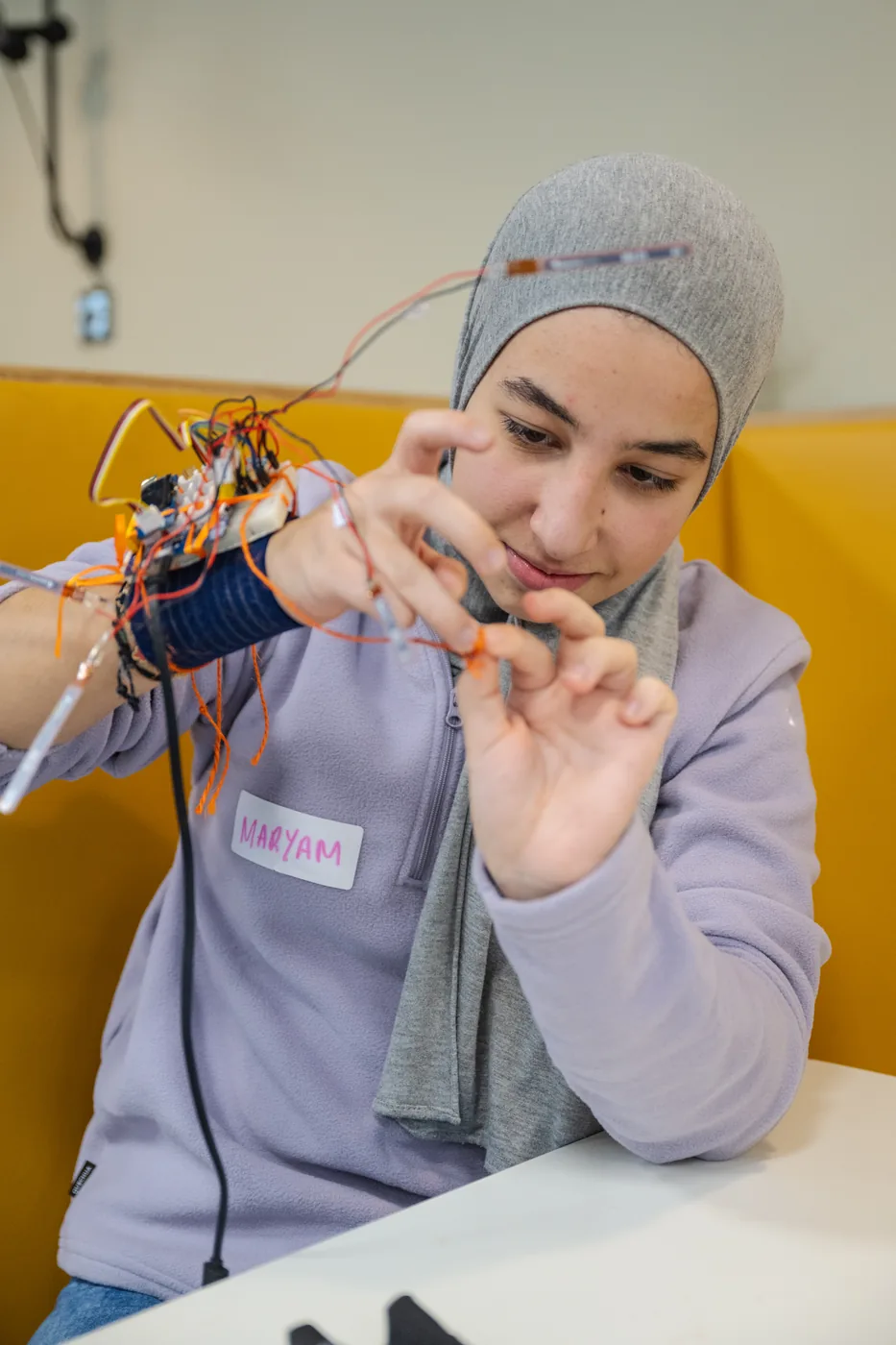
Participants work with professional-grade kit rather than classroom equipment. The release lists 3D printers, laser cutters, scanners, woodworking tools and digital fabrication technology, used alongside Imperial academics, PhD students and student ambassadors. The brief is to find a real problem and engineer something that addresses it.
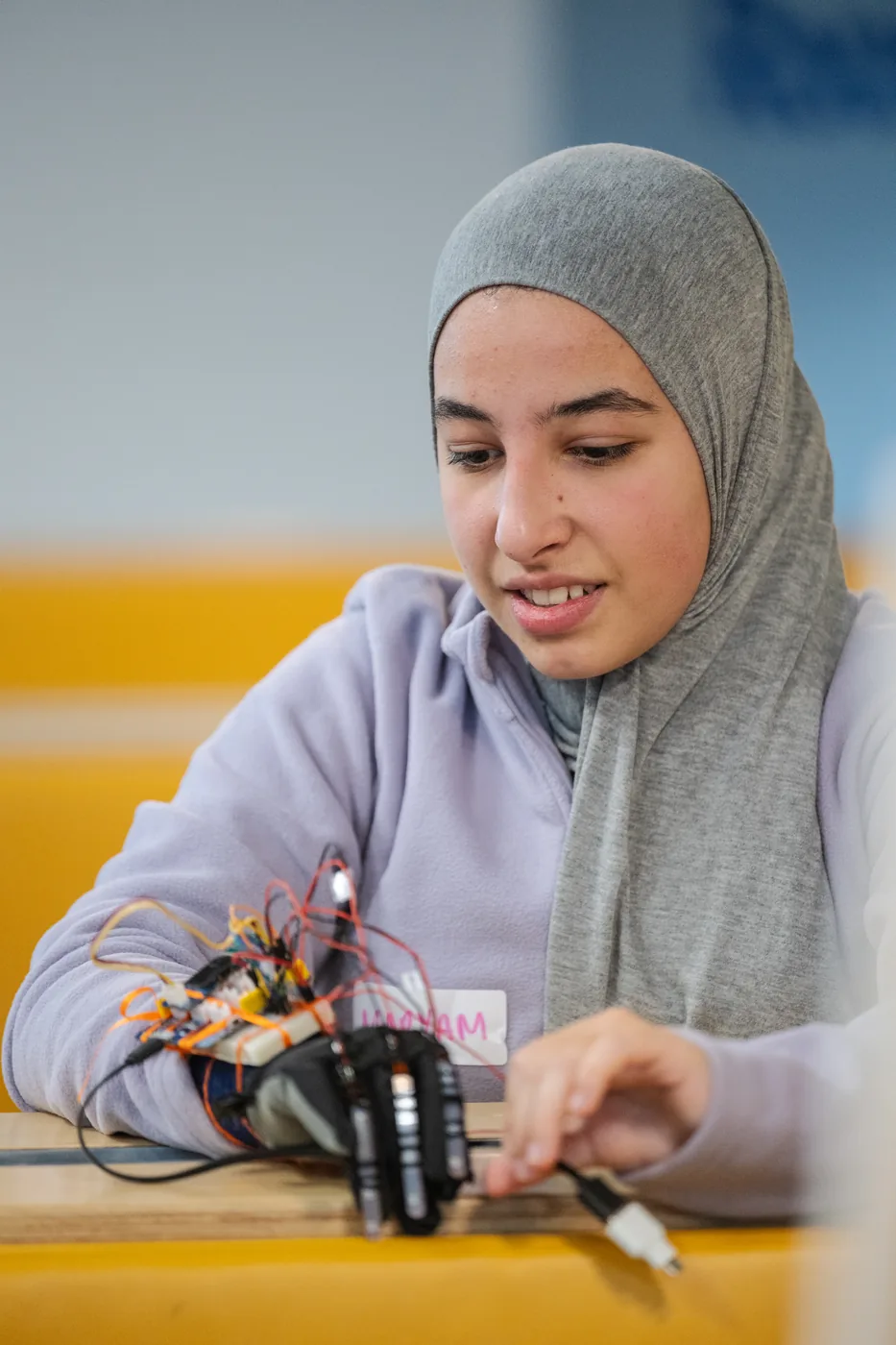
What nine years of the money bought
The clearest measure of a scheme like this is not the total spend, it is what came out of the other end. The joint release gives four counts across the partnership.
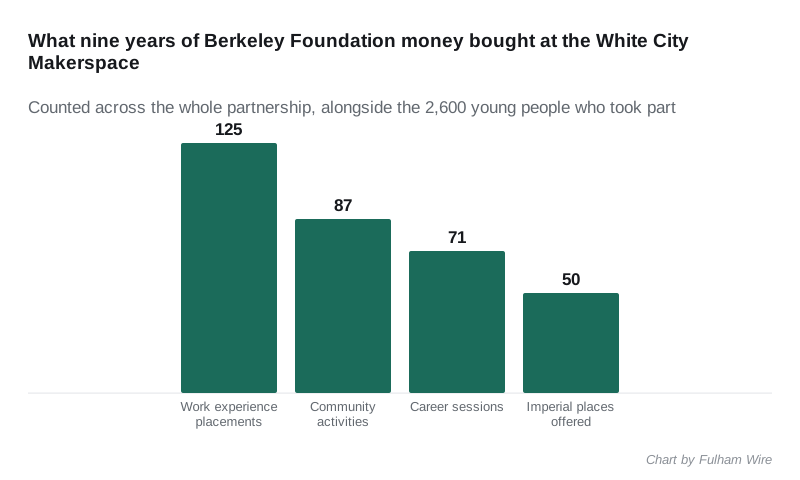
- 125 work experience placements
- 87 community activities
- 71 career sessions
- more than 50 Maker Challenge participants offered a place at Imperial
Part of the grant paid for a careers development officer to make those wider benefits happen, which is the direct forerunner of the coordinator post the money leaves behind.
On skills, the release cites an independent evaluation finding that 87% of participants developed new technical skills, and says many reported more confidence about taking STEM subjects and careers further. We have not seen that evaluation, so treat the figure as the partnership’s own.
One former participant is named: Aaron Vidal, who the release says went on to complete a Masters at Imperial and worked at Airbus. The Berkeley Foundation’s press office told us after publication that he has since moved on and is now employed elsewhere.
Corrected 24 September: this article originally said Aaron Vidal currently works at Airbus. He worked there after his Masters but has since taken a job elsewhere.
What the two sides say
Professor Maggie Dallman, Imperial’s Associate Provost for Societal Engagement, said:
“It has been a privilege to watch the Maker Challenge Programmes grow over the past nine years and to see the determination and creativity of the young people who have taken part. We are immensely grateful to The Berkeley Foundation, whose steadfast support has made this journey possible and helped nurture the potential of the next generation of innovators.”
“On behalf of our entire community here at Imperial, thank you for the transformative impact you have had on the lives of Maker Challenge participants.”
Sally Dickinson, head of the Berkeley Foundation, said:
“This partnership has shown the power of practical, hands-on learning to build confidence and open up new opportunities for young people. From the outset, the ambition was to create a welcoming place where local young people could access world-class facilities, expert guidance and opportunities they might not otherwise have had, and it has been wonderful to see that vision become a reality.”
“Over nine years, we have seen thousands of young people develop skills, broaden their horizons and take important steps towards their future. We are proud to have supported Imperial College London’s Maker Challenge programmes and to have worked alongside them to help young people gain valuable experience, connect with industry and see what is possible for them.”
The bit the release is straightforward about
The foundation is the charitable arm of Berkeley Group, the housebuilder, and the release says the partnership aligns with the group’s investment in White City Living, the regeneration scheme immediately next door to Imperial’s campus. That is worth knowing when you read the numbers. It does not make the workshops less real for the teenagers who used them, but the charity and the building site share a boundary and a parent company.
The Berkeley Foundation was set up by Berkeley Group in 2011. It says it has committed over £40 million through grants, staff fundraising and payroll giving, reaching more than 87,000 people, and that Berkeley Group staff have raised more than £10.7 million towards its work. The £40 million figure matches the one on the foundation’s own homepage as at 24 September 2026.
The release also positions the programme against the independent review of young people and work led by Alan Milburn, arguing that clear routes into careers, practical work experience and early confidence-building are what the review calls for. That framing is the partnership’s, not ours.
What it means for you
The Maker Challenge is still running and it is still free. Imperial’s own programme page sets out who can apply:
- Ages 14 to 18, living in London, with applicants local to White City prioritised
- Free, with lunch or a hot dinner and all materials included
- Eleven weeks, either Tuesdays or Thursdays from 17:00 to 20:00, plus four weekend workshops from 10:00 to 16:00
- Applications go through Imperial’s Aspire system, with a personal statement of up to 250 words
The autumn 2026 cohort is already under way. It runs from 19 September to 28 November, and applications for it closed on 9 September. The finale showcase, the event these photographs come from a year earlier, is on Saturday 28 November. Anyone who wants the next round should watch the Maker Challenge page, which says the programme runs during each school term and the summer holidays. Imperial asks anyone facing a barrier to applying, including travel costs, to email makerspace@imperial.ac.uk.
White City is a ten-minute walk from three Underground stations, White City on the Central line, Wood Lane on the Circle and Hammersmith and City lines, and Shepherd’s Bush. Our guide to Fulham tube times and fares has the journey times and what they cost, and things to do in Fulham has more of what is on locally.
Sources: joint press release from the Berkeley Foundation and Imperial College London, 23 September 2026, sent to Fulham Wire with the photographs; Imperial’s Maker Challenge page and Dangoor Reach Out Makerspace directions, both read on 24 September 2026; the Berkeley Foundation website.
Have your say