
Heavy rain is the borough's biggest flood risk, and it flooded over 600 properties in July 2021. Rain gardens are planned next for Lysia Street and Mall Road.
Overview
Heavy rain overwhelming the drains and sewers is the biggest flood risk in Hammersmith and Fulham, a council report says. The last big flood, on 12 July 2021, lasted about four hours and flooded more than 600 properties, mostly basements hit by sewage backing up. New rain gardens are planned this financial year on Lysia Street and Mall Road. Councillors discuss the report on Wednesday 18 November.
Flash flooding after a downpour is the main flood danger in Hammersmith and Fulham, not the Thames. That is the finding of a council report on flood risk going to the Environment, Arts and Culture Policy and Accountability Committee on 18 November.
A large part of the borough sits in a river and tidal flood zone. But the Thames Barrier and the embankment walls mean the risk from the river is low, the report says. Groundwater flooding is also low risk here.
What happened in July 2021
The report describes the last major surface water flood, on 12 July 2021:
- it lasted about four hours
- it flooded more than 600 properties in the borough
- most of the damage came from sewage “back-surging” into basements and lower ground floors through toilets and showers
- some low-lying roads flooded because the drains and sewers were already full
The report blames three things for the rising risk: more paved-over ground, an old sewer system never built for today’s volumes of water, and more frequent heavy storms.
Rain gardens and soakaways
The council is trying to keep rainwater out of the sewers altogether. It does this with rain gardens, planted areas and soakaways that let water soak into the ground.
Schemes already built, according to the report:
- King Street, between Beavor Lane and Standish Road: rain gardens and tree pits, which won a Hammersmith Society award in 2025
- Westville Road and Greenside: three large rain gardens built with Greenside Primary School, which won Best Project (Small, under £5m) at the 2026 ICE London Awards
- Edith Road: four rain gardens in road space that was not being used
- Manbre Road and Marinefield Road, outside Langford Primary School
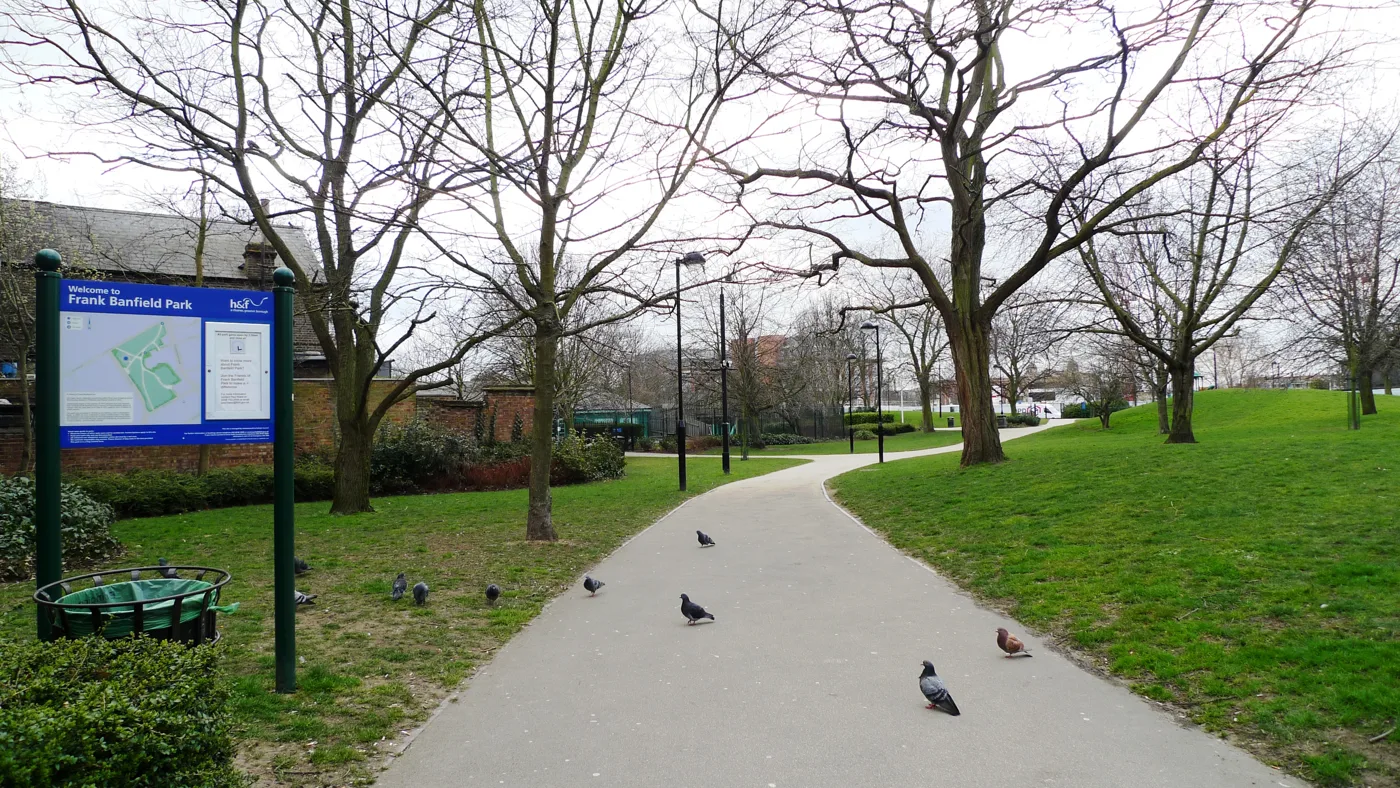
- soakaways draining roads into Frank Banfield Park, and most recently Ravenscourt Park
Work is under way on Blythe Road. Next this financial year are rain gardens on Lysia Street and Mall Road. More tree-pit planting is being designed with residents on Thorpebank Road.
The council is also mapping where future schemes could go. The report says some medium-sized schemes “may affect local parking”.
Drains and gullies
A gully tanker with a two-person crew works the borough Monday to Friday. The council aims to clean every gully on main roads every six months, and on residential roads every 18 months. Roads with heavy leaf fall from London plane trees get an extra clean each year.
Gully cleaning and repairs will be part of a new public realm contract, which is out to tender and due to start on 1 April 2027.
What it means for you
If you live in a basement or lower ground floor flat, you are most at risk, because that is where sewage came in during 2021. The council and the Greater London Authority produced a basement flooding leaflet, which was sent to basement homes in the borough.
The report also says:
- the council now has an online flood report form, so you can report flooding and the council can record each incident
- you can report a blocked gully, and a 24-hour emergency service responds to flooding
- residents in Brackenbury have set up the borough’s first community flood action group, with help from the National Flood Forum
The committee meeting is at 7pm at 145 King Street, Hammersmith, and is shown on the council’s YouTube channel. It will comment on the report; no decision is being taken.
Have your say